
Start A Printables Business To Make Passive Income
Have you ever dreamed of starting a business that earns money even while you sleep? That’s what a printables business can do for you! By selling digital products online, such as planners, worksheets, invitations, wall art, and more, you can make passive income at home and turn your skills into profits month after month and year after year.
Getting started earning passive income from selling digital products and printables is easier than you might think. Here are 10 essential steps to launch your business successfully.
Step 1: Understanding the Printables Market
Printables are digital downloads (typically PDFs) that customers buy from you via your Etsy shop or online store, then download to their computer and print for their personal use. There are printables for nearly every interest and activity.
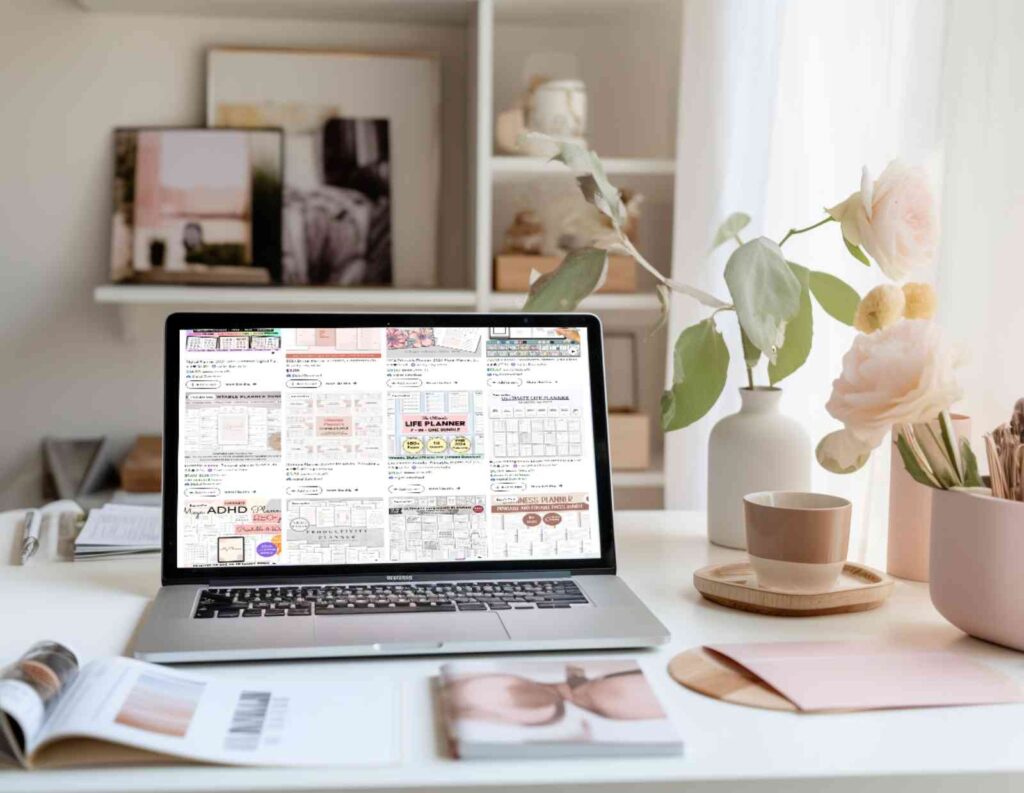
Types of printables can range from planners, calendars, to-do lists and worksheets, to wedding and special event invitations, to decorative wall art and so much more. Just go to Etsy and do a search on printables to see some examples of what’s selling. The opportunities are as endless as your own imagination!
Just a heads-up: I’m sharing my own experiences and tips about starting a printables business here, not professional legal or financial advice. I’m not a lawyer or financial expert, so for the nitty-gritty legal or money stuff, it’s best to chat with a pro.
What Makes Printable Products Ideal for Passive Income?
- Low Overhead Costs: Create a printable once and it doesn’t cost you anything to sell it again and again.
- Automated Sales Process: Customers can purchase and download your printables any time, without you having to ship anything to them or be physically present. This means you can literally earn money even while you’re sleeping or on vacation.
- Endless Creativity: With printables, your creativity is your only limit. You can design anything that can be printed, which means endless opportunities for new products.
- Wide Audience Reach: Digital downloads aren’t limited by geography. You can—and will—reach customers from all over the world.
How Digital Download Printables Work
- Creation: You design a printable using software like Canva, Adobe Illustrator, or even PowerPoint.
- Listing For Sale: You upload your printable in digital format (usually PDF) to an online marketplace or your own website, with a description and product images.
- Automated Delivery: When a customer buys your printable, they automatically receive a download link for the digital file. No physical products to ship or handling required.
- Repeat Sales: Once your printable is listed for sale, customers can keep buying it without any extra effort from your side.
What New Business Owners Should Know
- Market Research is Key: To be successful, you need to understand what customers are looking for. Check out best-selling printables on Etsy or other marketplaces and read customer reviews. There are also free and paid tools you can use to help you find popular printables to create.
- Quality Matters: Your printables should be professional and high-quality. Good design and usefulness are key.
- Marketing is Essential: Just listing your printables for sale generally isn’t enough. You need to actively promote them through social media, content marketing, collaborations, and other channels.
- Provide Great Customer Service: Even though you’re selling digital products, customer service is still important. Be responsive to questions and feedback.
- Keep Evolving: Trends change, so it’s important to keep updating and adding new products to keep your store fresh and appealing.
What’s Popular in Printables?
Certain types of printables are always in demand with customers. However, keep in mind that what’s popular can change over time and depending on the season or time of year. Here are some printable ideas to get you started:
Planners and Organizational Tools
- Seasonal Variations: Planners for the new year, holidays, and academic planners in late summer are especially popular.
- Types of Printables: Daily planners, meal planners, budget planners, business planners, and workout logs. You can also create single page printable products or printable planner bundles.
Educational Printables
- Trending Topics: Current trends, like STEM or mindfulness for kids, often dictate popularity in printables.
- Age-Specific: Tailoring your printables to specific age groups, like preschool printables or high school study aids can be a good option.
Art Prints
- Home Decor Trends: Keeping up with home decorating trends, like minimalist designs or boho-chic patterns can help you create in-demand printables.
- Special Events: Invitation designs for parties, weddings, etc., or other artwork related to holidays or seasons of the year are popular choices.
Staying on Top of Trends
To be successful in the long-term it’s a good idea to learn to use SEO tools and other platforms such as Etsy trending tools to stay informed about what’s in demand.
- SEO Tools: Tools like Google Trends, Keyword Planner, or RankIQ can help you understand what potential customers are searching for.
- Etsy SEO and Trending Tools: Etsy provides insights into trending searches and popular items on their platform, which can be invaluable for printable creators.
Be prepared to adapt and grow your product line with trends and new opportunities so you can make sure your printables stay relevant and appealing to customers.

Step 2: Identifying Your Niche
Identifying your niche in the printables market is a crucial step towards building a successful business. While it’s important to follow your passions, it’s equally essential to understand what sells well and how you can offer something unique or improved.
Balancing Passion with Market Demand
- Personal Interests: Start with what you love. If you’re passionate about fitness, think about creating workout planners. Love art? Consider designing inspirational quotes.
- Market Research: Check out what’s selling well in other Etsy shops and online stores. What are the top sellers in your area of interest? How can you put a unique spin on these ideas?
Niche Ideas to Consider
Themed Planners
- Trends and Innovations: Look at current trends in the planner market. For example, if mindfulness is trending, consider creating a mindfulness planner.
- Standing Out: Offer something extra like customizable pages or unique themes that aren’t widely available.
Learning Aids for Kids
- Educational Trends: Stay updated with educational trends. Are parents looking for homeschooling resources or fun, educational activities?
- Unique Features: Think about how you can make your educational printables more engaging. Interactive elements or gamified learning could be a hit.
Printable Wall Art or Inspirational Quotes
- Current Art Trends: What styles of art are popular? Minimalism, boho, abstract, or something else?
- Personal Touch: Can you add a personalization feature? Customizable art prints are often more appealing.
Researching What Sells
- Competitor Analysis: Look at other shops selling similar products. What kind of printables are their bestsellers? How can you do it better or differently?
- Customer Feedback: Read customer reviews on similar products. What are people looking for that they’re not getting?
Creating a Unique Offering
- Add Your Flair: Whatever niche you choose, infuse it with your personality and style. This uniqueness is what will make your products stand out.
- Quality and Innovation: Aim to offer the best quality in terms of design and functionality. Always think about what can make your product more useful or attractive.

Step 3: Creating Your Printable Products
Creating marketable printables is a lot of fun. You don’t need to be a professional graphic designer, but there are certain skills and resources that will greatly aid in the process.
Skills and Knowledge for Designing Printables
- Basic Design Principles: Understanding layout, color theory, and typography can significantly enhance the appeal of your printables.
- Target Audience Preferences: Know what your audience likes. For instance, a minimalist design might appeal to professionals, while bright and playful designs might attract parents looking for kids’ activities.
Tools for Designing Printables
- Canva: User-friendly with a wide range of templates. You can use Canva’s free program, but you may want to invest in the paid version for more functionality and features. Also, be sure to understand the usage limitations on Canva’s templates, fonts, or design elements, because some may have restrictions for commercial use.
- Adobe Photoshop: Great for creating custom graphics and layouts. If you’re new to this software, keep in mind there is a bit of a learning curve.
- Microsoft Office (Word, PowerPoint): Familiar tools that can be surprisingly versatile for printable creation.
- Google Docs: Some creators design using Google’s suite of free tools, including Google Sheets for spreadsheet printables.
Finding Fonts and Graphics
- Creative Fabrica: A great source for inexpensive fonts and graphics elements with a commercial use license. This can be essential for creating unique and professional-looking printables.
- Creative Market: Another good source for commercial use graphics elements and fonts.
Simplifying the Design Process
If the idea of creating printables from scratch seems daunting or takes too much time, your best option may be to purchase Commercial License, or Private Label Rights (PLR), templates to jumpstart your creation process. What is PLR content? I wrote another article that should answer all your questions on the topic.
In a nutshell, commercial use or private label rights content is pre-designed and ready to use or customize as you wish. PLR templates can save you a significant amount of time and still allow you to offer high-quality, professional products even if you don’t have the graphic design skills or desire to create your own digital products from scratch.
Did You Know?
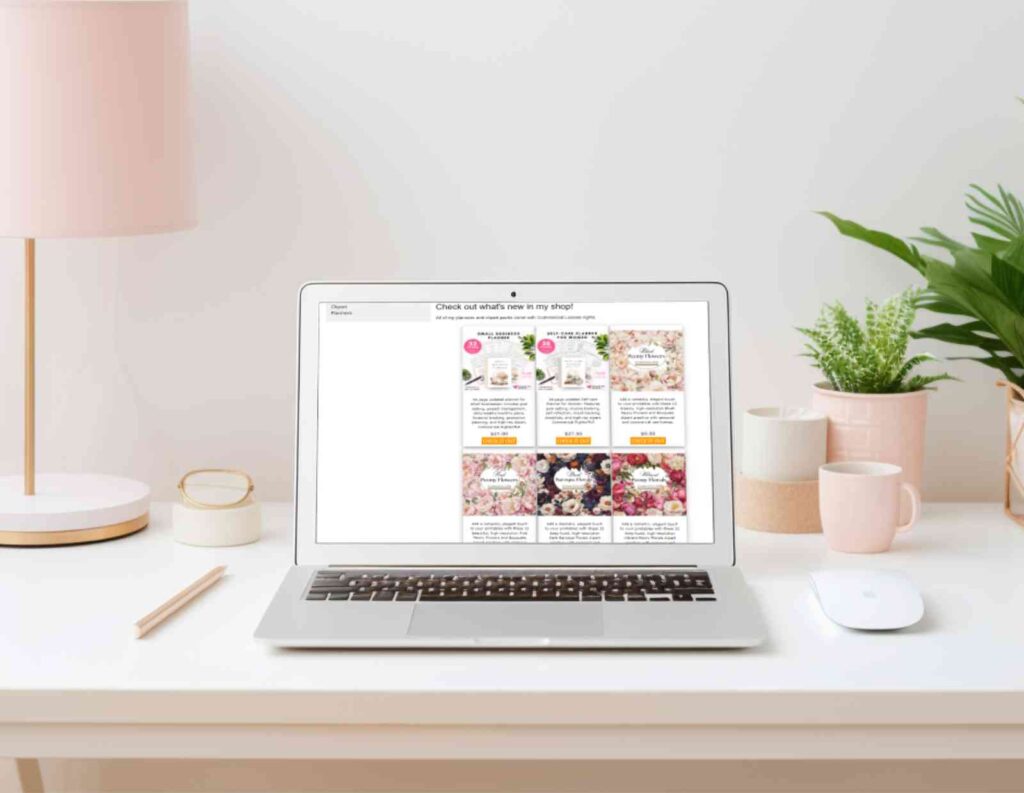
I specialize in Commercial License templates and clipart, so while you’re here be sure to check out my Storefront!
Here are a few of the advantages of using Commercial Rights/PLR templates in your shop:
- Ease of Use: With these templates and clipart, you can easily put together professional-looking printables without the need for extensive design skills.
- Customization Options: While they are pre-designed, there’s plenty of room for you to add your personal touch or branding, ensuring that your products stand out in the market.
- Quality Assurance: PLR templates are professionally designed, so you can be sure you’re offering top-notch products to your customers.
By cutting down on the time and effort needed in the design phase of your printables, it will allow you to focus on other aspects of your business, like marketing and customer engagement. After all, passive income is all about working smarter, not harder!
Get a Free PLR Planner Template
Be sure to grab the FREE Undated PLR Planner Template I’m offering to my email subscribers. Just sign up below and you’ll get instant access to this beautiful planner you can modify in the free version of Canva and sell or share with your audience.

Watch my website for more PLR planner and printables resources created to help your business succeed. Get started today and let me help you Make The Life You Love!
Step 4: Setting Up Your Online Presence
Choosing where to sell your printables is a crucial step in your business journey. Platforms like Etsy, Shopify, Payhip, and SendOwl offer great options, each with its own set of features to cater to different needs.
Selecting the Right Platform
- Etsy: Ideal for beginners, Etsy is user-friendly and has a vast customer base which can help you get your products in front of new people right out of the gate.
- Shopify: If you’re looking for more control and customization, adding Shopify to your own website is a great choice. You will need to attract potential customers to your site through your own means, which makes this option a bit more challenging than Etsy. You can always do both!
- Payhip and SendOwl: These are simpler alternatives to Shopify. Both platforms offer easy setup for selling digital products with less complexity. You can embed some code on your site to use these platforms or set up a separate store with your own branding.
Key Elements for Online Store Setup
- High-Quality Images: Use clear, attractive images of your printables. This is often the first thing customers notice.
- Detailed Descriptions: Write clear, concise descriptions that highlight the features and benefits of your printables.
- Payment Setup: Ensure you have a payment system in place. Most platforms support various payment methods, including credit cards and PayPal.
- Handling Customer Service: Be prepared to handle inquiries and support requests. Good customer service can significantly boost your store’s reputation.
Understanding Platform Fees
- Each platform has its own fee structure for transactions. For instance, Etsy charges a listing fee and takes a small percentage of each sale.
- Shopify, Payhip, and SendOwl also have their own fees, which may include monthly subscription fees and transaction fees.
Creating a Customer-Friendly Experience
- Ease of Navigation: Make sure your store is easy to navigate. Organize your products into categories if you have a wide range.
- FAQ Section: Include a Frequently Asked Questions section to answer common queries. This can reduce the number of customer support questions you need to handle personally.
- Clear Policies: Outline your shop policies regarding refunds if you offer them, and any digital product-specific terms.
Step 5: Pricing Your Products
Setting the right prices for your printables is a delicate balance. You want to attract customers while ensuring you’re fairly compensated for your efforts. Here are some strategies to help you price your products effectively.
Understanding Your Costs
- Platform Fees: Remember, platforms like Etsy, Shopify, or Payhip have fees. These may include listing fees, transaction fees, and payment processing fees.
- Payment Processing Fees: Services like PayPal or Stripe, used for receiving customer payments, also charge fees. It’s important to factor these into your pricing.
- Cost of Tools and Resources: If you’re using paid design tools or purchasing commercial licenses for fonts and graphics, these costs should be considered.
Pricing Strategies
- Competitive Analysis: Look at what similar products are selling for. This gives you a benchmark but doesn’t bind you to these prices.
- Value-Based Pricing: Consider the value your printables provide to your target customers. For example, a comprehensive wedding planner might warrant a higher price than a simple to-do list.
- Time and Effort: Reflect on the time and effort you’ve put into creating the product. Your pricing should compensate for the work involved.
- Tiered Pricing Options: Offering different versions of a product at varying price points can cater to a broader range of customers.
- Bundling Products: Create bundles of related printable products that offer more value at a slightly higher price than individual items and still deliver a great deal for your customers.
- Discounts and Sales: Limited-time offers or discounts can attract new customers and boost sales, but use them strategically to not undervalue your work.
Adjusting Your Prices
- Testing and Feedback: Don’t be afraid to adjust your prices based on customer feedback and sales performance.
- Market Changes: Keep an eye on market trends and adjust your pricing to stay competitive and relevant.

Step 6: Establishing Payment and Distribution Systems
Ensuring a smooth payment and distribution system is vital for your printables business. It’s not just about convenience; it’s about building trust and reliability with your customers.
Setting Up Payment Systems
- Choose Reliable Payment Services: Opt for trusted services like PayPal or Stripe. They’re user-friendly for both you and your customers and offer secure transaction processing.
- Consider Multiple Payment Options: Some customers may prefer different payment methods. Offering a variety ensures you don’t lose a sale due to payment limitations.
Streamlining Distribution
- Platform Handled Downloads: Most online platforms like Etsy, Shopify, Payhip, or SendOwl handle the delivery of digital products automatically. Once a customer makes a purchase, they receive a link to download the product.
- Ensuring File Accuracy: Before listing, double-check your files. Ensure they are correctly formatted, high-quality, and match the product description. This step is crucial as it directly impacts customer satisfaction.
- Organized File Structure: If your product involves multiple files, organize them in a clear, logical structure. For example, if you’re selling a planner with different sections, label each file accordingly.
Additional Considerations for Distribution
- File Size and Format: Be aware of the file size limits on your chosen platform. Also, provide your printables in widely used formats (like PDF) to ensure compatibility for all customers.
- Instructions for Use: Including simple instructions for downloading and printing can significantly enhance the customer experience, especially for those who are not tech-savvy.
Follow-Up and Customer Support
- Automated Confirmation Emails: Set up automated emails to thank customers after a purchase and provide additional information or support if needed.
- Responsive Support System: Be prepared to respond promptly to any inquiries or issues that arise post-purchase. Efficient customer service can lead to repeat customers and positive reviews.

Step 7: Marketing Your Printables
Effective marketing is key to the success of your printables business. It’s not just about making sales; it’s about building a brand and establishing a loyal customer base.
Leveraging Social Media
- Create Communities: Platforms like Instagram, Pinterest, and Facebook are perfect for building communities around your brand. Engage with your followers, share behind-the-scenes content, and create posts that encourage interaction.
- Running Ads: If your budget allows, consider running targeted ads on these platforms. Social media ads can be a powerful tool to reach a wider audience.
- Consistent Posting: Regularly update your social media profiles with new content to keep your audience engaged and informed about your latest products.
Collaborations and Cross-Promotions
- Partner with Other Creators: Collaborating with other printable creators or coaches can open up cross-promotion opportunities. For instance, bundle your printables with others for a special offer.
- Collaborate on Social Media: Engage in joint promotions on social media, like livestream sessions or Pinterest group boards (although the latter is not as effective as it used to be, so YMMV).
Low-Cost/No-Cost Marketing Strategies
- Content Marketing: Start a blog or YouTube channel related to your niche. For example, if you sell educational printables, create content about home-schooling or educational activities for kids.
- SEO for Organic Reach: Optimize your online store and content for search engines. Use relevant keywords in your product titles and descriptions both in your Etsy shop and your own site.
- Customer Reviews and Testimonials: Encourage satisfied customers to leave reviews or share their experiences with your printables. This can be invaluable for social proof.
- Email Marketing: Keep in touch with your customers through regular newsletters. Share updates, new releases, and special offers.
- Participate in Online Communities: Join forums or Facebook groups related to your niche. Be an active participant by offering value, not just promoting your products.
Strategic Use of Discounts and Offers
- Limited-Time Offers: Create urgency with limited-time discounts or special bundles.
- Order Bumps and Upsells: When someone purchases a product, offer an automatic discount on others if they purchase at the same time.
- Free Samples or Lead Magnets: Offer a free sample printable as a lead magnet to grow your email list.
Remember, effective marketing for your printables doesn’t have to break the bank. It’s about being creative, engaging with your audience, and building relationships.

Step 8: Building an Email List
An email list is one of the most valuable assets in your printables business. It allows you to establish a direct line of communication with your audience and cultivate long-term customer relationships.
Start Building Your Email List Now
- Start Before Launching: Ideally, begin building your email list even before you list your first product in your Etsy shop or online store. This gives you a ready audience to market to as soon as your products go live.
- Building Anticipation: Use your email list to build excitement about your upcoming products. Share sneak peeks, process insights, or the story behind your printables.
Choosing an Email Service Provider
- Free or Low-Cost Providers: Platforms like MailerLite, MailChimp, and Sendinblue offer a free version or low-cost plans, which are a great starting point.
- Automation Features: Look for a provider that offers automation. Automations can send welcome emails to new subscribers, follow-up messages, and regular updates about your products automatically.
- Ease of Use: Choose a platform that is user-friendly and allows you to design attractive emails without needing technical skills.
Strategies for Growing Your Email List
- Lead Magnets: Offer a high-value lead magnet, like a free printable, in exchange for email sign-ups. This is an effective way to attract potential customers who are interested in your products.
- Regular Newsletters: Keep your subscribers engaged by sending regular newsletters. Share updates about new products, special offers, and useful content related to your niche.
- Exclusive Offers: Give your email subscribers access to exclusive deals or early access to new products. This adds value to being on your email list.
Using Automations Effectively
- Onboarding Sequence: Set up an automated welcome email series of emails for new subscribers. This helps nurture your relationship with them right from the start.
- Segmentation: As your list grows, consider segmenting it based on subscriber interests or behavior. This allows you to tailor your communications more effectively.
Deliver Engaging Content
Remember to offer value that goes beyond promotions. While it’s important to promote your products, also include content that adds value – like tips on how to use printables effectively, organizing hacks, or relevant news in your niche.
Building and maintaining an email list is about more than just selling; it’s about creating lasting connections with your audience. By offering value, staying engaged, and using the right tools, you can turn your email list into a powerful tool for growing your printables business.
Step 9: Scaling Your Business
Scaling your printables business is all about growth and expansion while maintaining the quality and essence of what made your business successful initially. Here’s how you can approach scaling effectively.
Expanding Your Product Offerings
- Diversify Within Your Niche: Start by expanding within your current niche. For example, if you specialize in educational printables, consider adding different age ranges or subjects.
- Experiment with New Types: Don’t be afraid to test new types of printables. Use customer feedback and market research to guide your decisions. For instance, if you’ve been successful with planners, try branching into related areas like stickers or organizational tools.
- Seasonal and Trend-Based Products: Capitalize on seasonal trends or current events by creating printables that cater to those specific times or themes.
Collaborating for Growth
- Partner with Other Creators: Collaborations can open up new markets and audiences. Look for creators whose offerings complement yours and explore how you can work together.
- Brand Collaborations: Partnering with established brands can increase your visibility and add credibility to your products. Consider collaborations where you can create custom printables for a brand’s audience.
Exploring New Markets
- Target Different Customer Segments: If your current products target a specific demographic, think about how you can modify or create new products that appeal to a different segment.
- International Expansion: Consider tailoring some of your products to appeal to international markets, taking into account cultural differences and preferences.
Leveraging Customer Feedback
- Product Development: Use customer feedback as a key tool for developing new products. Listen to what your customers are asking for or what they wish your printables included.
- Refining Existing Products: Sometimes, scaling can mean improving what you already offer. Use customer insights to refine and enhance your existing product line.

Step 10: Managing and Automating for Passive Income
To maximize your earnings in a printables business, it’s crucial to implement systems that streamline operations and reduce manual effort. Automation is the key to managing your workload effectively while continuing to generate passive income.
Email Autoresponders and Social Media Scheduling
- Email Autoresponders: Automate welcome emails, product updates, and regular engagement with tools like MailChimp or MailerLite.
- Social Media Scheduling: Use scheduling platforms to automate your social media posts, so you can maintain a consistent online presence without daily manual input.
Streamlining Sales and Financial Management
- E-commerce Automation: Utilize your online platform’s features for handling sales transactions, taxes, and delivering digital products automatically.
- Accounting Software: Tools like QuickBooks or FreshBooks can automate invoicing, expense tracking, and financial reports, simplifying the financial management of your business.
Simplifying Customer Service
- FAQ Section: A well-crafted FAQ page on your website can address common customer queries, reducing the volume of direct inquiries.
- Email Templates: Prepare templates for frequent customer inquiries. This saves time while ensuring responses are thorough and consistent.
- Virtual Assistant (VA): If your business grows significantly, consider hiring a VA to handle customer service. They can manage inquiries, leaving you free to focus on other aspects of your business.
Utilizing Customer Feedback for Improvement
- Customer Reviews and Testimonials: Read and analyze your customer reviews and testimonials. They are invaluable for understanding customer satisfaction and areas for improvement.
- Product Adjustments Based on Feedback: Use the insights from your reviews to make adjustments to your products or to develop new ones that better meet customer needs.
Ready To Get Started Making Passive Income With Printables?
Every big success starts with one small step. With the right approach, tools, and a little creativity, you have the power to turn your printables business startup or side hustle into a thriving source of passive income.
So, if you’re considering starting a printables business, or if you’ve already got an established Etsy shop or online business you’re looking to grow, I hope you’ve found some useful tips and advice here today.
As you begin your journey, I’ll be right here with handy tips, experienced advice, and a bunch of beautiful PLR templates to help you get your business flourishing.
Planner Templates You May Like
I’m always creating new Commercial License planners and clip art. Here are a couple of recent additions you may want to add to your printables shop:
Are you looking for a template I don’t offer yet? Please email me and let me know!